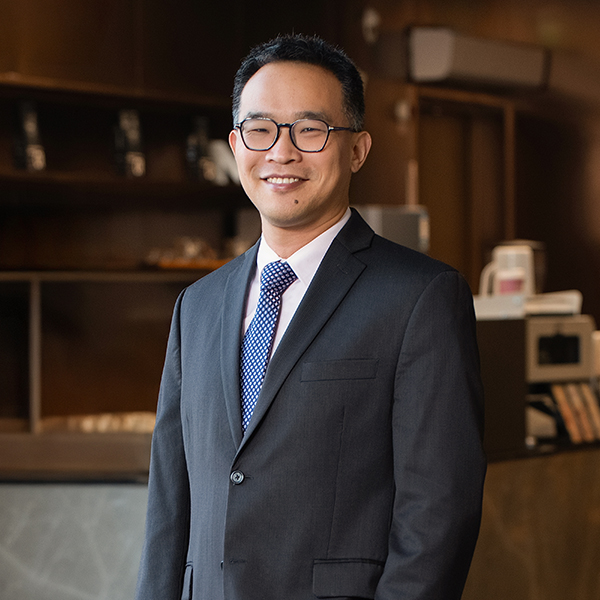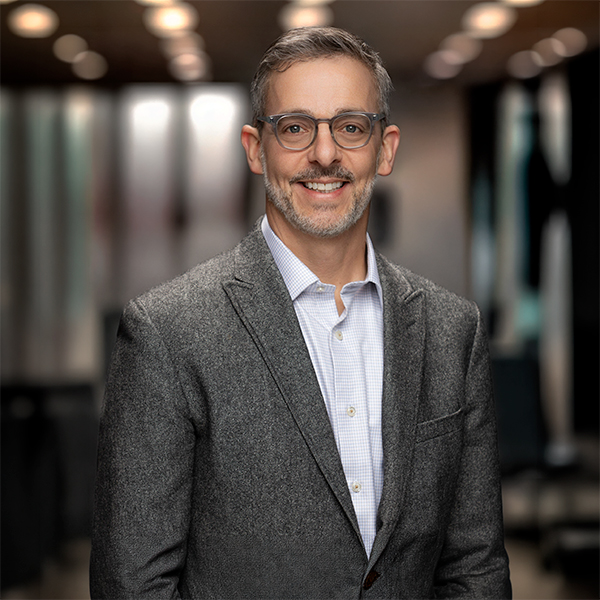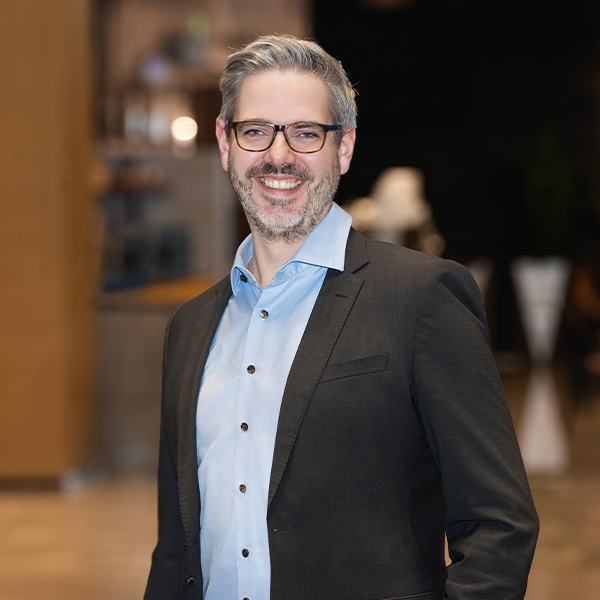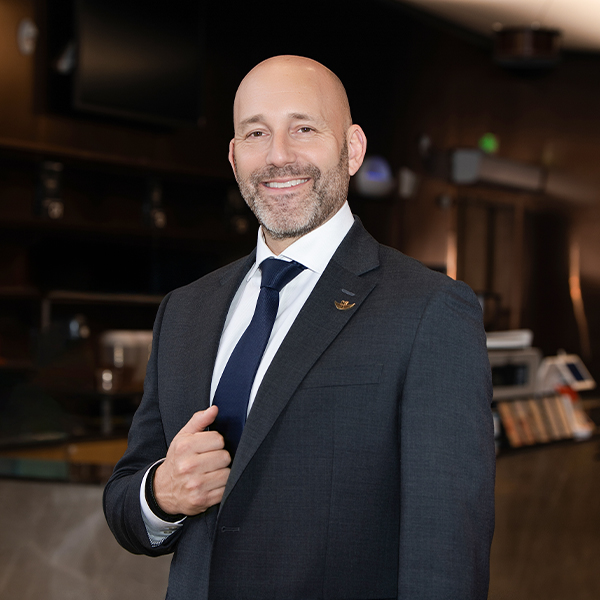
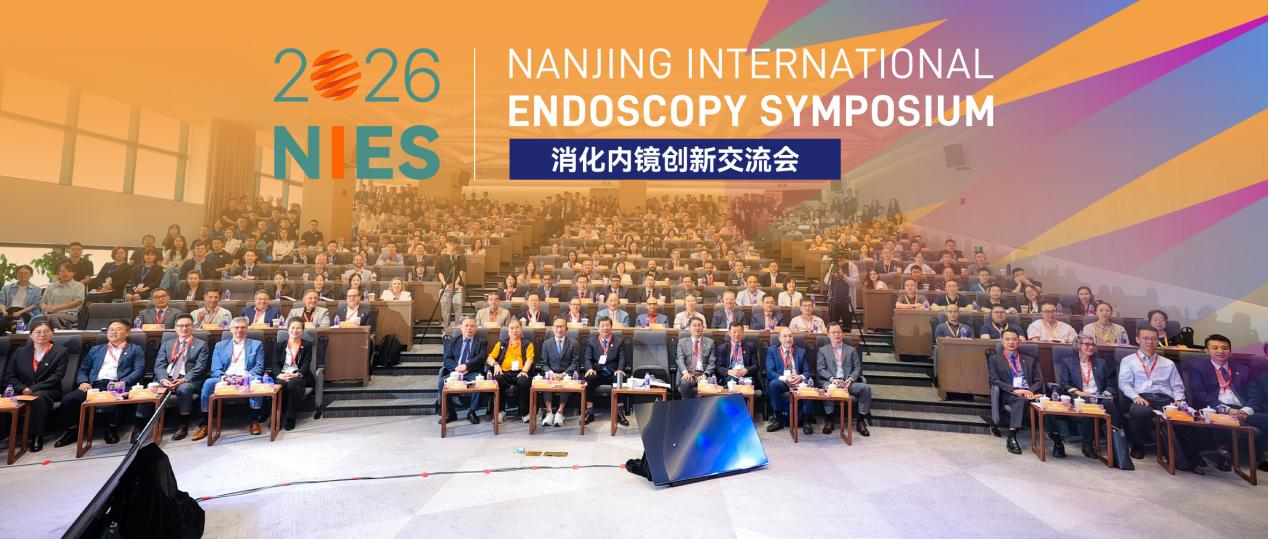
The Nanjing International Endoscopy Symposium 2026 (NIES 2026) was held in Nanjing from May 29 to June 1, 2026. The symposium brought together nearly 200 experts, physicians and industry representatives in the field of digestive endoscopy from 18 countries and regions, including more than 40 international faculty members from the Americas, Europe and Asia-Pacific. Participants exchanged insights on advanced endoscopic technologies, clinical practice, product innovation and physician-engineer collaboration.
As a professional platform focused on global clinical needs and technological innovation, NIES 2026 highlighted the complete pathway of endoscopic innovation — from identifying clinical needs and translating them into engineering solutions, to validating new technologies in clinical practice. Through expert dialogues, thematic sessions, physician-engineer collaboration case studies, multicenter clinical research presentations, hands-on product experiences and live procedure demonstrations, the symposium showcased MICRO-TECH’s ongoing collaboration with physicians worldwide to advance innovation in endoscopy.
Starting from Clinical Needs: Advancing Physician-Engineer Collaboration
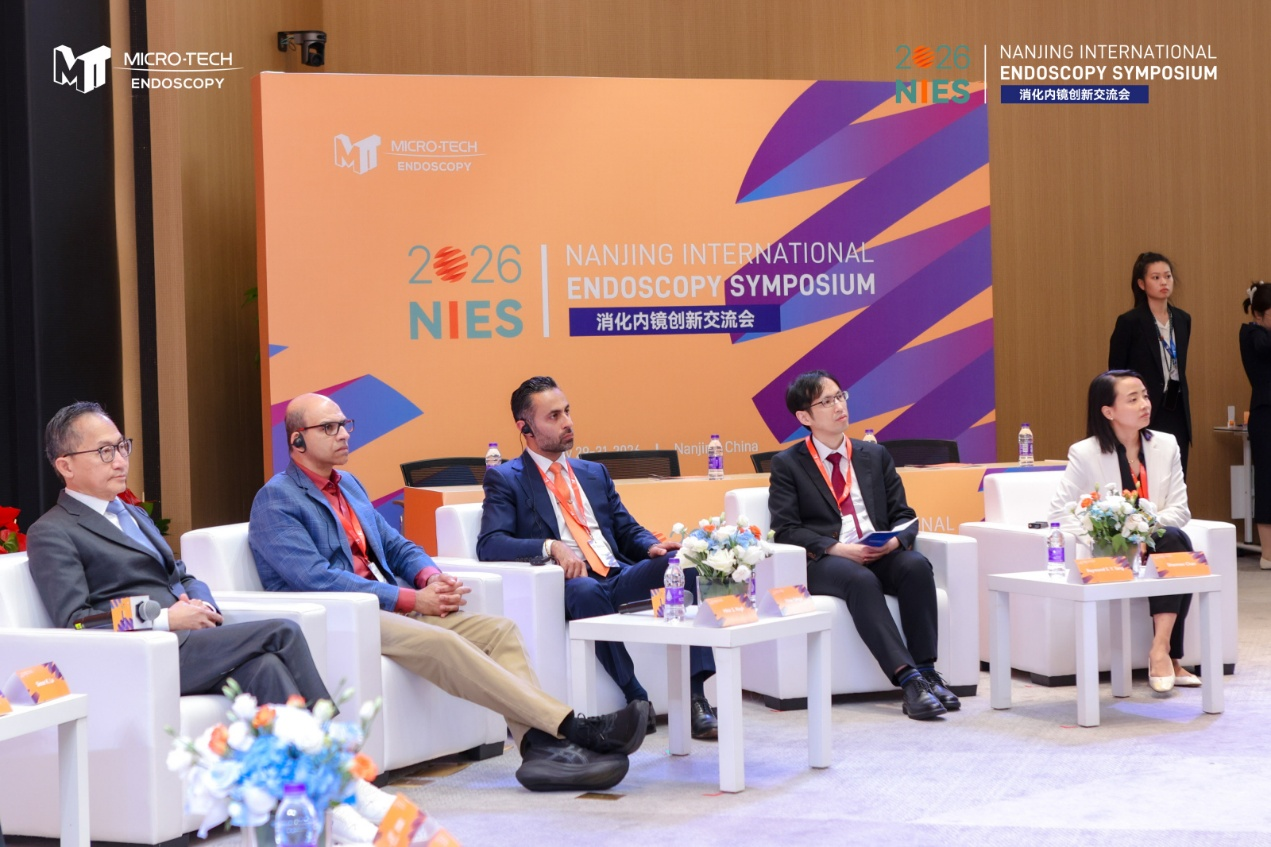
As endoscopic diagnosis and treatment continue to evolve toward greater complexity, precision and minimally invasive care, physicians require devices with improved access, control, procedural efficiency and safety. These evolving needs have encouraged closer collaboration between physicians and R&D teams.
In his opening remarks, Xiaohui Long, Chairman of MICRO-TECH, noted that MICRO-TECH has been deeply engaged in the field of minimally invasive digestive endoscopy for more than two decades. The company has consistently taken clinical needs as the starting point for innovation and, through long-term collaboration with endoscopists worldwide, has worked to translate clinical ideas into devices that can be applied in real-world procedural settings.
During the symposium, a number of Chinese and international physicians shared physician-engineer collaboration projects developed with MICRO-TECH. These projects included a range of innovative devices, such as the Butterfly Clip, the integrated EUS-BD stent, the single-use cholangioscope distal cap, the DAM gastrointestinal balloon catheter, the S-Lock suturing system and the Access Needle EUS-FNA needle.
The symposium also reviewed a representative example of long-term innovation collaboration between MICRO-TECH and physicians. The iodine-125 radioactive seed-loaded stent system, jointly developed by the team of Academician Gaojun Teng of the Chinese Academy of Sciences and MICRO-TECH, was published in The Lancet Oncology and has been applied in clinical settings such as malignant luminal obstruction. It remains a notable example of physician-engineer collaboration translating into clinical innovation.
From Product Innovation to Clinical Validation
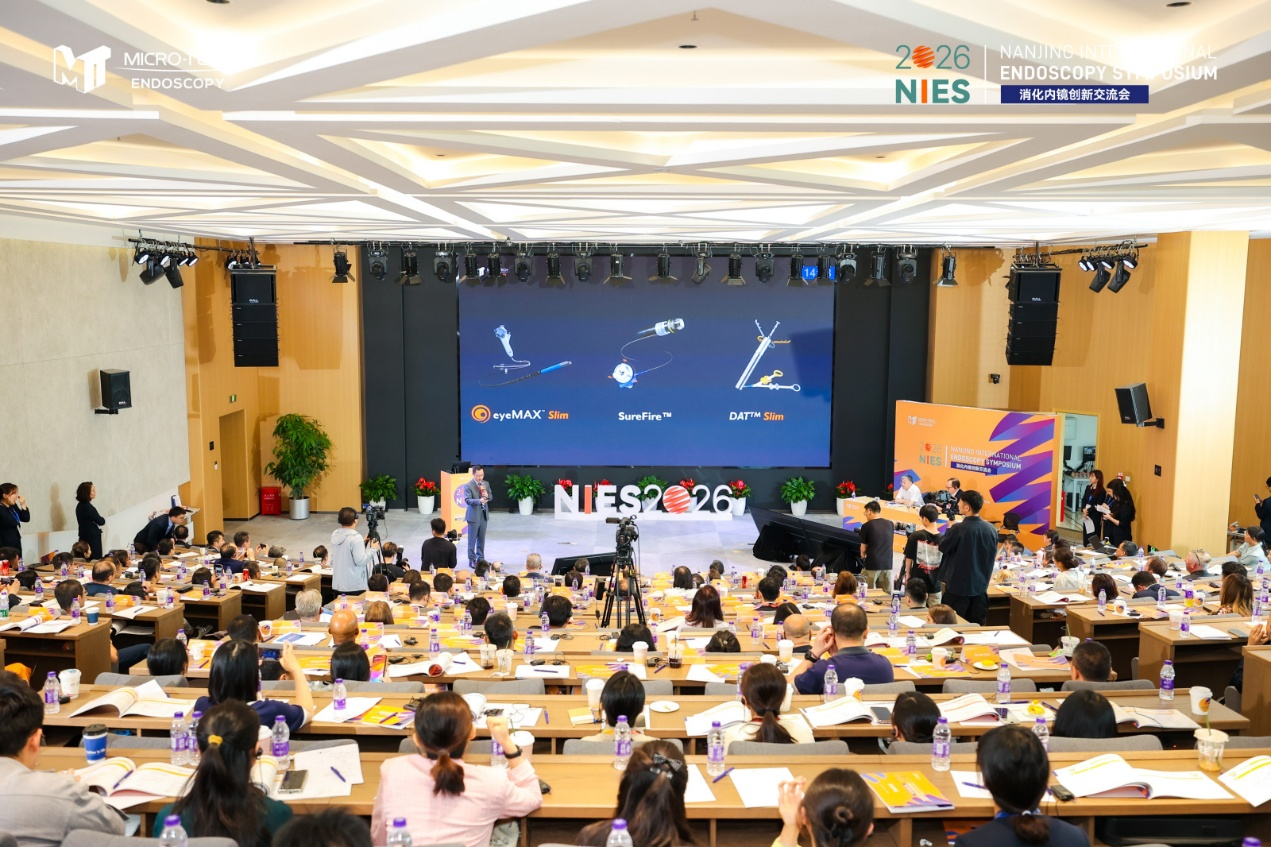
During NIES 2026, MICRO-TECH released three innovative products: the newly upgraded ultra-slim cholangioscope eyeMAX™ Slim, the new SureFire™ Multiple Band Ligator, and the DAT™ Slim tissue closure device. Multicenter clinical research data focusing on the eyeMAX series and DAT™ Slim were also presented during the symposium. The studies systematically evaluated the value of these products in complex procedural settings based on real-world clinical data, providing further evidence to support future clinical adoption and standardized application.
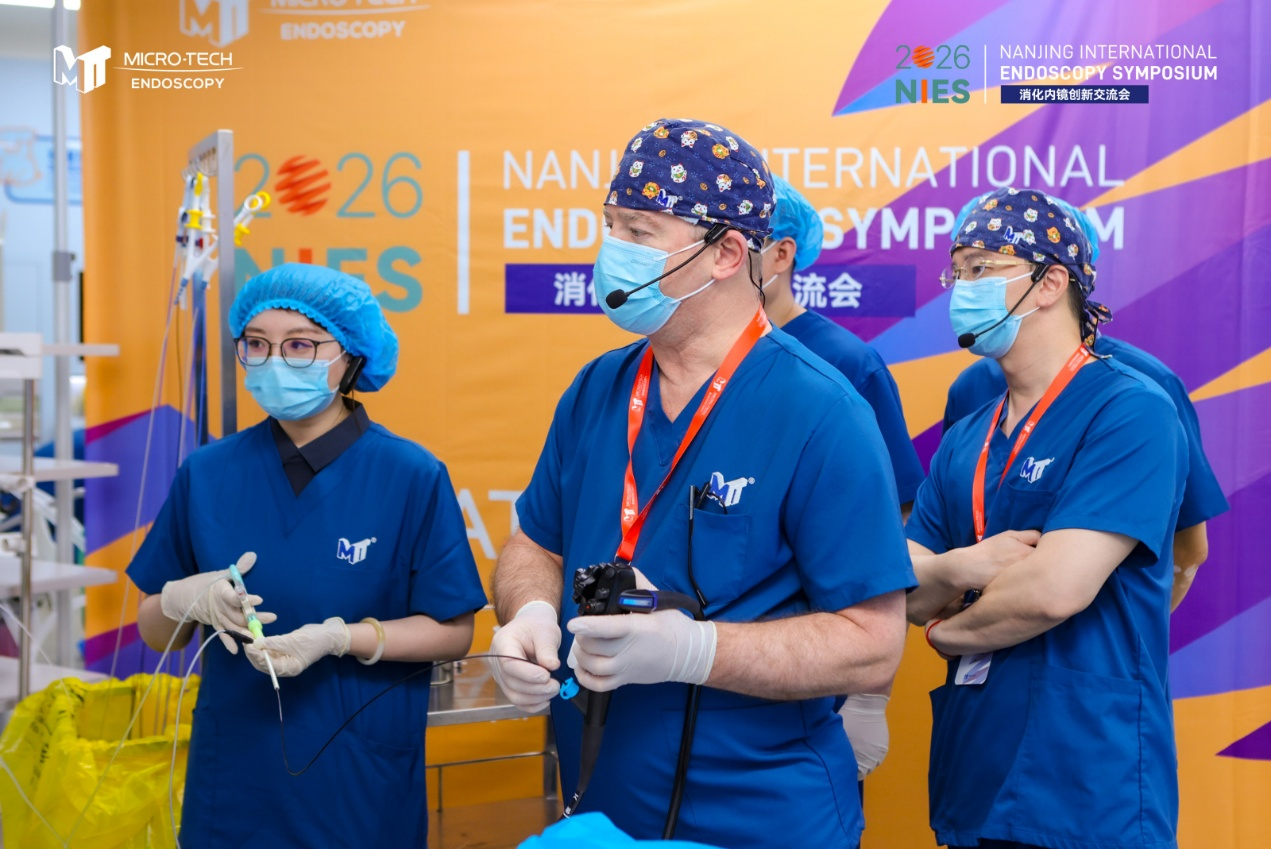
To help participants gain a more direct understanding of product performance, MICRO-TECH invited Chinese and international physicians to its Nexus Innovation Lab for hands-on experience with the newly released products and other core devices. In a highly simulated operating environment, physicians tested and discussed device access, operational stability and user experience across different clinical scenarios. Feedback from these sessions will provide valuable clinical input for continued product optimization.
During the symposium, MICRO-TECH also worked with the advanced endoscopy centers of Peking Union Medical College Hospital and Nanjing Drum Tower Hospital to conduct remote live procedure demonstrations. Chinese endoscopists performed a series of complex case demonstrations and engaged in real-time discussion with international physicians from the United States, the United Kingdom, Switzerland and other countries. Innovative devices including eyeMAX™ Slim and DAT™ Slim were featured during the demonstrations, showing their use in real clinical settings.
From product development and simulated testing to multicenter research and live procedure demonstrations, NIES 2026 presented a complete pathway for translating clinical needs into endoscopic solutions for clinical use.
Focusing on Key Disease Areas and Global Clinical Exchange
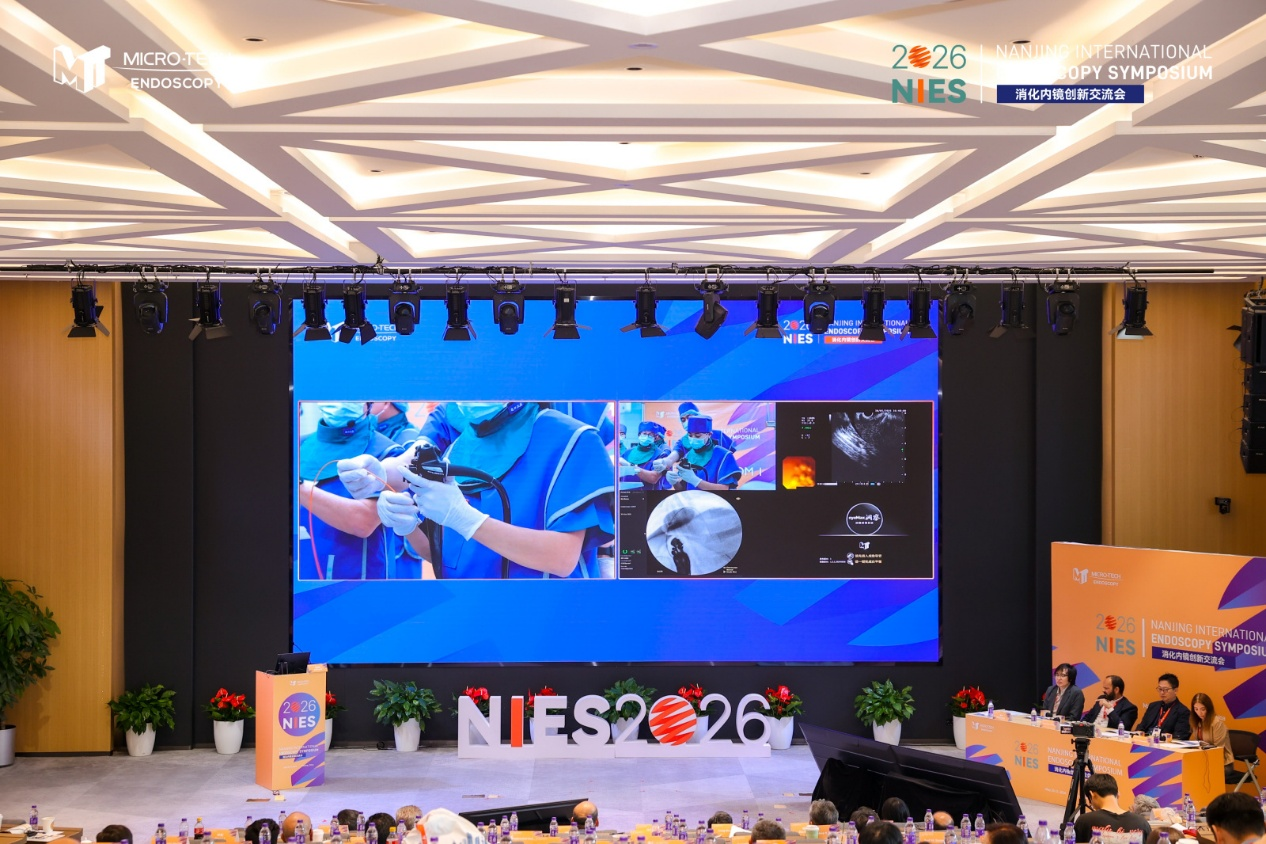
In addition to physician-engineer collaboration and product validation, NIES 2026 featured multiple thematic sessions on pancreatobiliary diseases, gastrointestinal diseases and advanced endoscopic technologies, promoting professional exchange among experts from different countries and regions.
In the pancreatobiliary sessions, experts discussed the use of ultra-slim cholangioscopy in pancreatic diseases, new approaches to trans-cystic duct diagnosis and treatment, EUS-guided precision puncture strategies, and the development of direct-visualization pancreatobiliary endoscopy. These discussions reflected the ongoing shift in minimally invasive pancreatobiliary care toward greater precision, visualization and personalization.
In the gastrointestinal sessions, experts from different regions around the world exchanged views on endoscopic vacuum therapy, endoscopic suturing, colorectal polyp management, AI-assisted diagnosis and intelligent management systems. The discussions covered multiple aspects of clinical innovation, from new treatment methods to digital decision support, highlighting shared global efforts to make endoscopic diagnosis and treatment more standardized, intelligent and precise.
Expert dialogues during the symposium also focused on emerging fields such as AI and surgical robotics, precision EUS intervention and direct-visualization pancreatobiliary endoscopy. Experts from different regions shared clinical experience, technical perspectives and views on future development, contributing diverse insights into the future of digestive endoscopy.
Building a Global Collaboration Network to Support Clinical Innovation
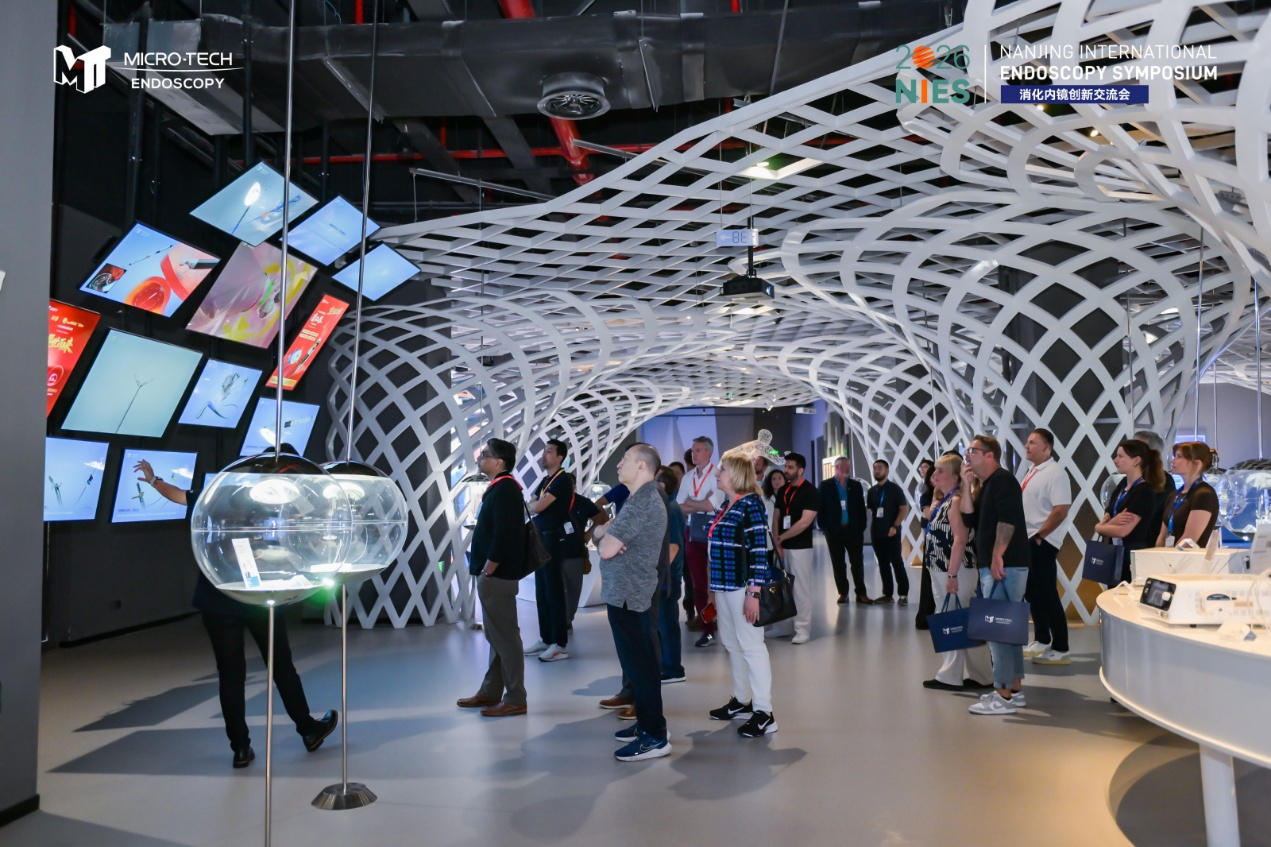
NIES 2026 was not only an academic exchange, but also an important platform for MICRO-TECH to continue building its global clinical collaboration network. Through scientific sessions, procedure observation, hands-on product experience and technical discussions, experts from different countries and regions engaged in in-depth communication on clinical needs, product applications and future collaboration opportunities.
As endoscopic technologies continue to advance, cross-regional, cross-disciplinary and cross-functional collaboration is becoming increasingly important. Close cooperation among physicians, engineers, R&D teams and industry partners can help bring innovative devices into clinical practice more efficiently and reliably, while addressing the practical needs of different markets and healthcare systems.
Looking ahead, MICRO-TECH will continue to focus on clinical needs, deepen collaboration with endoscopists worldwide, and support innovation through physician-engineer collaboration and evidence-based validation. By developing minimally invasive solutions designed for real-world clinical practice, MICRO-TECH aims to create long-term value for physicians and patients around the world.